
Recurring revenue is powerful. But managing subscriptions manually can quickly turn into a mess. Failed payments, billing errors, churn, unhappy customers, and wasted time all add up.
That is where subscription management software comes in.
If you run a SaaS, membership site, digital service, or any business with recurring payments, the right tool can automate billing, reduce churn, and help you scale faster without chaos.
This guide explains what subscription management software is, how it works, the best features to look for, top tools to consider, pricing expectations, and how to choose the right solution for your business.
What Is Subscription Management Software?
Subscription management software helps businesses handle recurring billing, customer subscriptions, invoices, renewals, upgrades, downgrades, and cancellations in one system.
Instead of tracking payments manually or relying on basic payment gateways, this software automates the entire subscription lifecycle. SaaS pricing strategy article
Core problems it solves
- Missed or failed recurring payments
- Manual invoicing and billing errors
- High churn due to poor payment recovery
- Limited visibility into recurring revenue
- Difficulty scaling subscription plans
How Subscription Management Software Works
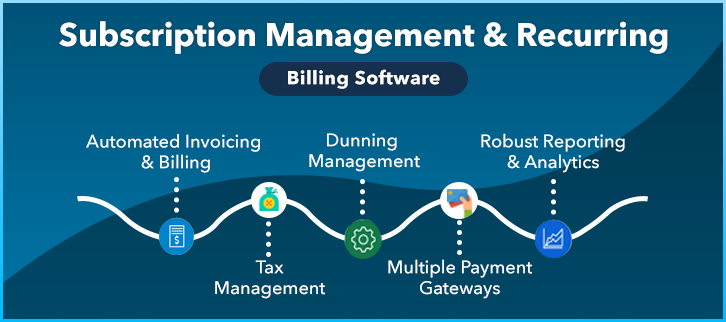
Most subscription tools connect your website or app with a payment processor. Once a customer subscribes, the software handles everything automatically.
Typical workflow
- Customer selects a subscription plan
- Payment details are securely stored
- Recurring billing runs on schedule
- Invoices and receipts are sent automatically
- Failed payments trigger retries and alerts
- Customers can upgrade, downgrade, or cancel
This setup reduces admin work and improves customer experience.
Key Features to Look for in Subscription Management Software
Not all tools are equal. Focus on features that match your growth stage.
Must have features
- Recurring billing automation
- Flexible pricing plans
- Secure payment processing
- Failed payment recovery
- Customer self service portal
- Invoicing and receipts
Advanced features for scaling
- Usage based billing
- Proration and plan changes
- Revenue analytics and reports
- Tax and compliance support
- CRM and accounting integrations
- Dunning management to reduce churn
Best Subscription Management Software Tools Compared
Below is a practical comparison of popular subscription management platforms used by small businesses and SaaS companies.
Quick comparison table
| Tool Name | Best For | Key Strength | Pricing Range |
|---|---|---|---|
| Stripe Billing | Developers and SaaS | Flexible APIs | Pay as you go |
| Chargebee | Growing SaaS | Advanced billing logic | Mid to high |
| Recurly | Subscription brands | Churn reduction | Mid |
| Paddle | SaaS selling globally | Tax handling | Revenue based |
| Zoho Subscriptions | Small businesses | Affordable plans | Low |
| PayPal Subscriptions | Simple setups | Easy start | Low |
| FreshBooks | Service businesses | Invoicing focus | Low to mid |
In Depth Review of Top Subscription Management Software
Stripe Billing
Stripe Billing is one of the most popular subscription management solutions for SaaS and tech driven businesses.
Key benefits
- Supports recurring and usage based billing
- Powerful APIs for customization
- Smart retry logic for failed payments
- Detailed revenue analytics
Limitations
- Requires technical setup
- Can be complex for non developers
Best for
SaaS startups, developers, and tech teams building custom subscription flows.
Chargebee
Chargebee is a full scale subscription billing platform designed for growing SaaS companies.
Key benefits
- Supports complex billing models
- Built in tax compliance tools
- Strong reporting and analytics
- Integrates with CRM and accounting tools
Limitations
- Higher pricing for small teams
- Setup takes time
Best for
Mid sized and scaling SaaS businesses with complex pricing needs.
Recurly
Recurly focuses heavily on reducing churn and optimizing recurring revenue.
Key benefits
- Advanced dunning management
- Easy plan upgrades and downgrades
- Strong analytics dashboard
- Multiple payment gateway support
Limitations
- Pricing can be high
- Less flexible than developer first tools
Best for
Subscription brands focused on retention and revenue optimization.
Paddle
Paddle acts as both a payment processor and subscription manager.
Key benefits
- Handles taxes and compliance automatically
- Simple setup for SaaS products
- Global payment support
- Built in checkout
Limitations
- Less customization
- Revenue based pricing
Best for
SaaS businesses selling internationally without tax complexity.
Zoho Subscriptions
Zoho Subscriptions is a budget friendly option for small businesses.
Key benefits
- Affordable pricing
- Simple interface
- Strong invoicing tools
- Works well with Zoho ecosystem
Limitations
- Fewer advanced features
- Limited customization
Best for
Small businesses and startups on a tight budget.
Pros and Cons of Subscription Management Software
Advantages
- Automates recurring billing
- Reduces failed payments
- Improves customer experience
- Saves time and admin costs
- Scales easily with growth
Limitations
- Monthly software cost
- Setup and integration time
- Learning curve for advanced tools
Who Should Use Subscription Management Software?
Best for
- SaaS companies
- Membership websites
- Online course creators
- Subscription boxes
- Digital agencies with retainers
Who may not need it
- One time product sellers
- Very small businesses with few recurring clients
- Manual invoice only operations
Pricing and Cost Considerations
Pricing varies widely based on features and volume.
Common pricing models
- Flat monthly fee
- Usage based pricing
- Percentage of revenue
- Pay as you go billing
Typical cost ranges
- Small businesses: low monthly cost
- Growing SaaS: mid tier pricing
- Enterprise: custom pricing
Always calculate total cost including transaction fees.
Best Practices for Using Subscription Management Software
Reduce churn
- Enable automatic payment retries
- Send reminder emails before renewals
- Offer flexible plan changes
Improve conversions
- Keep checkout simple
- Offer monthly and annual plans
- Provide clear pricing pages
Optimize revenue
- Track key metrics like MRR and churn
- Test pricing models
- Upsell and cross sell within the platform
Common Mistakes to Avoid
- Choosing a tool that is too complex early on
- Ignoring failed payment recovery
- Not offering customer self service options
- Overlooking tax and compliance needs
- Focusing only on price instead of scalability
Final Verdict: Which Subscription Management Software Is Best?
There is no single best subscription management software for everyone.
- Choose Stripe Billing if you want flexibility and control
- Choose Chargebee if you are scaling fast
- Choose Paddle if global tax handling matters
- Choose Zoho Subscriptions if budget is your priority
The right tool depends on your business model, technical skills, and growth goals.
If you are serious about growing recurring revenue, start by auditing your billing process today. Identify where automation can save time, reduce churn, and improve cash flow. Then test one subscription management software with a free trial and scale from there.
Frequently Asked Questions
What is the best subscription management software for small businesses?
Zoho Subscriptions and PayPal Subscriptions are popular for small businesses due to simplicity and low cost.
Can subscription management software reduce churn?
Yes. Features like dunning management, payment retries, and reminders help recover failed payments and retain customers.
Do I need coding skills to use subscription management software?
Some tools require technical setup, but many offer no code or low code options.
Is subscription management software secure?
Most platforms use strong encryption and comply with payment security standards.
Can I switch tools later?
Yes, but migrating data takes planning. Choose a scalable platform early if possible.
Conclusion
Subscription management software is no longer optional for recurring revenue businesses. The right tool simplifies billing, improves customer experience, and unlocks sustainable growth.
Focus on your current needs, choose a tool that scales with you, and automate early. Your future revenue will thank you.