
Creating high quality content consistently is one of the biggest challenges for marketers, bloggers, and small businesses. Writing blog posts, social media captions, emails, and ads takes time, creativity, and skill. That is where AI content creation tools come in.
Today’s AI writing tools help you brainstorm ideas, write faster, improve SEO, and scale content without hiring a large team. If you are problem aware and looking for practical tools that actually save time and money, this guide is for you.
In this article, you will find the best AI tools for content creation, both free and paid, with clear use cases, pricing considerations, and honest pros and cons.
Why Use AI Tools for Content Creation?
AI content tools use machine learning to generate human like text based on prompts. When used correctly, they help you:
- Write content faster without starting from a blank page
- Improve SEO optimization and keyword usage
- Maintain consistency across blogs, emails, and social posts
- Reduce content creation costs for small businesses
AI does not replace strategy or creativity. It supports your workflow and helps you scale.
Top AI Tools for Content Creation Compared
Quick Comparison Table
| Tool | Best For | Free Plan | Paid Starts At |
|---|---|---|---|
| ChatGPT | Blog drafts, ideas, outlines | Yes | Low cost |
| Jasper AI | Marketing copy and teams | No | Medium |
| Copy.ai | Short form marketing content | Yes | Medium |
| Writesonic | SEO blogs and ads | Yes | Low |
| Grammarly | Editing and tone improvement | Yes | Low |
| Notion AI | Productivity and notes | Limited | Low |
| Canva AI | Visual content with text | Yes | Low |
1. ChatGPT

Overview
ChatGPT is one of the most popular AI writing tools for content creators. It is flexible and works well for blog outlines, long form drafts, social captions, and email copy.
Key Features
- Blog post and article generation
- Content rewrites and summaries
- Keyword based SEO writing
- Content ideas and outlines
Pros
- Very easy to use
- Free version available
- Strong long form writing support
Cons
- Requires good prompts
- Needs human editing for originality and tone
Best For
Bloggers, beginner marketers, freelancers, and small businesses.
Pricing
Free plan available. Paid plans unlock faster responses and better models.
2. Jasper AI
Overview
Jasper AI is built specifically for marketing teams and businesses. It focuses on conversion focused content like landing pages, ads, and email campaigns.
Key Features
- Brand voice customization
- Marketing templates
- Long form assistant
- Team collaboration tools
Pros
- High quality marketing copy
- Strong brand consistency tools
Cons
- No free plan
- Higher price than most tools
Best For
Marketing teams, agencies, and SaaS companies.
Pricing
Paid plans only, starting at a higher monthly cost.
3. Copy.ai
Overview
Copy.ai is designed for short form content like ads, product descriptions, and social media posts.
Key Features
- Prebuilt templates
- Social media content generator
- Product copy creation
Pros
- Beginner friendly
- Free plan available
Cons
- Limited long form writing
- Less control over tone
Best For
Ecommerce sellers and social media marketers.
4. Writesonic
Overview
Writesonic focuses heavily on SEO content creation. It is useful for bloggers who want keyword optimized articles quickly.
Key Features
- SEO blog generator
- Google Ads copy
- Landing page writing
Pros
- SEO focused features
- Affordable pricing
Cons
- Output quality varies
- Needs editing for depth
Best For
Affiliate marketers and SEO bloggers.
5. Grammarly
Overview
Grammarly is not a content generator but an AI writing assistant. It improves grammar, clarity, and tone.
Key Features
- Grammar and spelling checks
- Tone suggestions
- Plagiarism detection
Pros
- Improves content quality
- Works with other AI tools
Cons
- Does not generate full content
Best For
Anyone publishing professional content.
6. Notion AI
Overview
Notion AI helps with productivity, brainstorming, and internal documentation.
Key Features
- Idea generation
- Content summaries
- Task automation
Pros
- Built into Notion
- Great for planning content
Cons
- Limited for marketing copy
Best For
Content planners and remote teams.
7. Canva AI
Overview
Canva AI combines visual design with text generation, making it useful for social media content.
Key Features
- AI captions
- Design templates
- Brand kits
Pros
- Visual and text in one platform
- Free plan available
Cons
- Limited long form writing
Best For
Social media managers and small brands.
How to Choose the Right AI Content Tool
Before choosing a tool, ask yourself:
- Do you need long form blog content or short form copy
- Is SEO your main goal
- Do you work alone or with a team
- What is your monthly budget
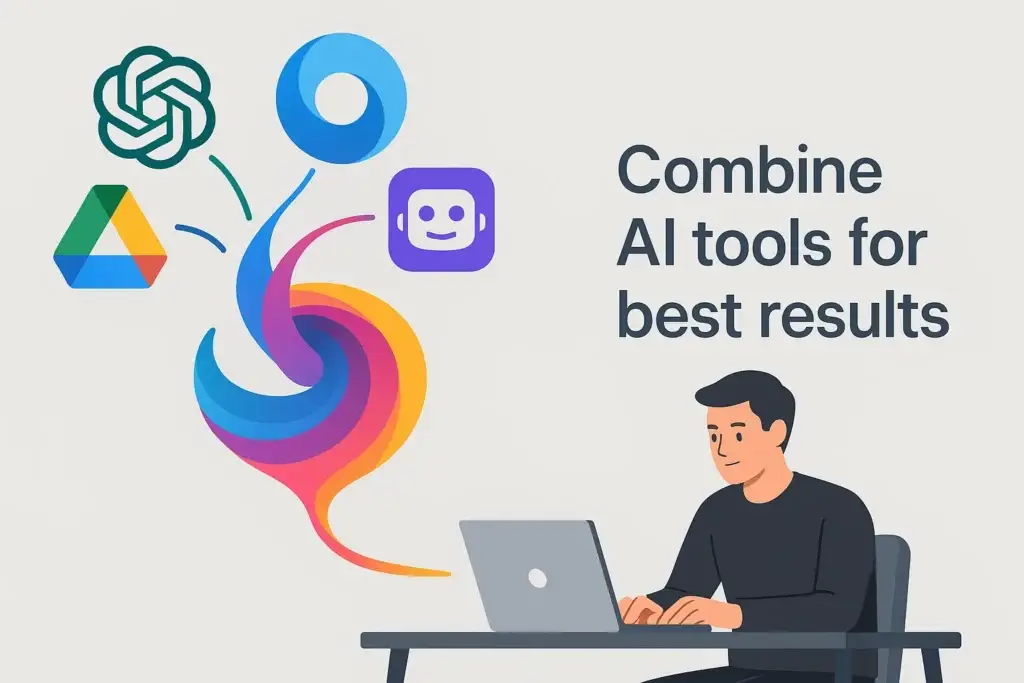
Many creators combine tools. For example, using ChatGPT for drafts and Grammarly for editing.
Best Practices for Using AI Content Tools
- Always edit and personalize AI generated content
- Add real examples, data, or experience
- Use AI for speed, not final authority
- Optimize content with human SEO strategy
Suggested internal links:
- content marketing strategy
- SEO tools for beginners
- SaaS tools for small businesses
Final Verdict
AI tools for content creation are no longer optional for competitive marketers. Whether you are running a blog, ecommerce store, or SaaS business, the right AI tool can save time, cut costs, and improve output quality.
If you are just starting, begin with a free tool like ChatGPT or Copy.ai. As your content needs grow, consider paid platforms like Jasper or Writesonic for advanced features.
The key is not which tool you choose, but how well you use it.
Frequently Asked Questions
Are AI content creation tools good for SEO?
Yes, when combined with proper keyword research and human editing.
Can I use free AI tools for blogging?
Yes, free plans are enough for beginners and small sites.
Do AI tools replace writers?
No. They assist writers and improve productivity.
Is AI generated content safe for AdSense?
Yes, as long as it is original, helpful, and edited for quality.
Next Step:
Choose one AI tool from this list and test it on your next blog post or marketing campaign. Start small, measure results, and scale confidently.