

Generating consistent, high-quality leads is one of the biggest challenges small businesses face today. Traditional marketing methods are expensive, slow, and hard to measure. Digital marketing, on the other hand, gives small businesses a scalable, cost-effective way to attract, nurture, and convert potential customers online.
This guide breaks down exactly how small businesses can generate leads using digital marketing. It focuses on proven strategies, practical tools, and real-world implementation steps designed for business owners and beginner marketers who want results.
Why Digital Marketing Is Critical for Small Business Lead Generation
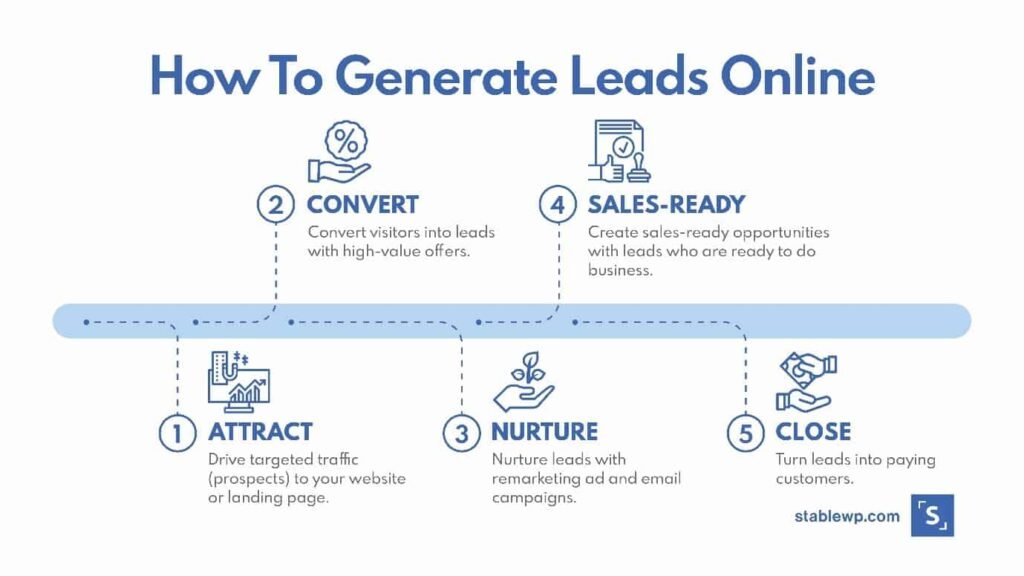
Digital marketing allows small businesses to compete with larger brands without massive budgets. With the right strategy, you can reach people actively searching for your product or service and guide them toward becoming paying customers.
Key advantages include:
- Precise audience targeting
- Measurable performance and ROI
- Lower customer acquisition costs
- Automation and scalability
The goal is not traffic alone. The goal is qualified leads who are ready to take action.
Core Digital Marketing Channels That Generate Leads
Search Engine Optimization (SEO)
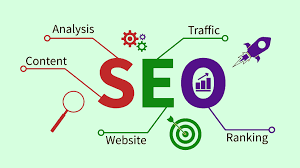
SEO targets users with high intent. These are people actively searching for solutions.
Effective SEO lead generation focuses on:
- Service-based keywords with buyer intent
- Optimized landing pages and blog content
- Local SEO for location-based businesses
Examples of high-intent keywords include “best accounting software for small businesses” or “digital marketing agency for startups.”
Internal linking opportunity: best SEO tools for small businesses
Content Marketing That Converts
Content builds trust before the sale. Blog posts, guides, and case studies educate prospects and position your business as the solution.
High-converting content types include:
- How-to guides
- Comparison articles
- Tool reviews
- Industry benchmarks
Each piece of content should have a clear call-to-action such as downloading a guide, booking a demo, or starting a free trial.
Internal linking opportunity: content marketing strategy for beginners
Email Marketing and Lead Nurturing
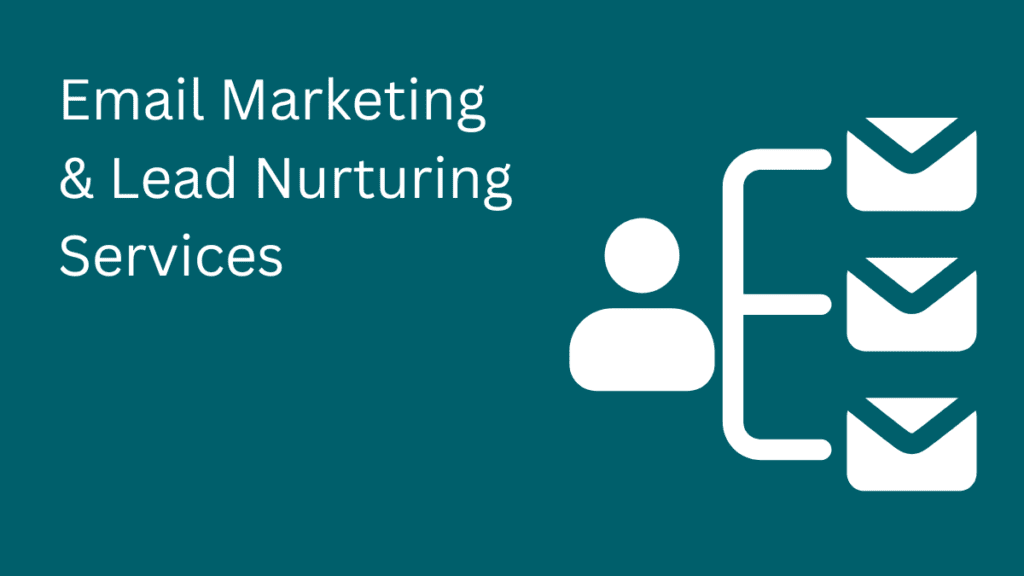
Email marketing turns cold leads into warm prospects. Once someone joins your email list, you control the communication.
Effective email lead generation includes:
- Lead magnets like checklists or templates
- Automated welcome sequences
- Educational emails with soft selling
Email marketing consistently delivers one of the highest ROI among digital marketing channels when done correctly.
Paid Advertising for Faster Results
Paid ads accelerate lead generation when organic growth is slow.
Common platforms include:
- Google Search Ads
- Facebook and Instagram Ads
- LinkedIn Ads for B2B businesses
Paid traffic works best when combined with optimized landing pages and clear value propositions.
Using SaaS Tools to Automate Lead Generation
Modern SaaS tools simplify and automate lead generation tasks that once required entire teams.
Essential Lead Generation Tools
| Tool Type | Purpose |
|---|---|
| CRM Software | Manage and track leads |
| Email Marketing Tools | Automate follow-ups |
| Landing Page Builders | Increase conversion rates |
| Analytics Tools | Measure performance |
Popular examples include CRM platforms, email automation tools, and marketing analytics software designed for small businesses.
Internal linking opportunity: best CRM software for startups
Step-by-Step Lead Generation Framework for Small Businesses
Step 1: Define Your Ideal Customer
Know exactly who you want to attract, including pain points, budget, and buying triggers.
Step 2: Create a Lead Magnet
Offer something valuable in exchange for contact details. Examples include:
- Free consultations
- Downloadable guides
- Free trials
Step 3: Build Conversion-Focused Landing Pages
Your landing page should:
- Address one problem
- Highlight one solution
- Have one clear CTA
Step 4: Drive Targeted Traffic
Use SEO, paid ads, or social media to bring the right audience to your offer.
Step 5: Nurture and Follow Up
Automated email sequences and CRM workflows ensure no lead is wasted.
Pros and Cons of Digital Marketing for Lead Generation
Advantages
- Cost-effective compared to traditional marketing
- Scalable as your business grows
- Data-driven decision-making
- High targeting accuracy
Limitations
- Requires consistent effort
- Learning curve for tools and platforms
- Competitive niches can increase ad costs
Who This Strategy Is Best For and Who Should Avoid It
Best For:
- Small businesses with clear offerings
- Service-based businesses
- SaaS startups and consultants
- Local businesses targeting specific regions
Not Ideal For:
- Businesses unwilling to invest time or budget
- Companies without clear customer personas
- Brands expecting instant results without testing
Cost and Implementation Considerations
Digital marketing costs vary based on tools and channels.
Typical monthly expenses include:
- SEO tools or content creation
- Email marketing software
- Paid advertising budget
- CRM subscriptions
Many SaaS platforms offer free trials or entry-level plans, making it easy for small businesses to start small and scale.
Best Practices to Maximize Lead Generation Results
- Focus on one or two channels first
- Track conversion rates, not vanity metrics
- Continuously test headlines, CTAs, and offers
- Align marketing with sales follow-up
- Invest in tools that save time and reduce errors
Final Verdict and Recommendation
Digital marketing is no longer optional for small businesses that want predictable lead generation. When executed strategically, it delivers measurable growth, qualified leads, and long-term brand authority.
Start with SEO and content marketing for sustainable growth. Use paid ads for faster traction. Automate lead management using SaaS tools to scale efficiently.
The key is consistency, data-driven decisions, and choosing tools that fit your business stage.
Frequently Asked Questions
How long does it take to generate leads with digital marketing?
SEO can take 3 to 6 months, while paid ads and email campaigns can generate leads within weeks.
What is the best digital marketing strategy for small businesses?
A combination of SEO, content marketing, email nurturing, and paid ads delivers the best results.
Do small businesses need expensive tools to generate leads?
No. Many affordable or free SaaS tools are designed specifically for small businesses and startups.
Next Step
Start by identifying one high-intent keyword, create a lead magnet around it, and connect it to an optimized landing page. Small, focused actions lead to scalable results.