

Small business websites fail at SEO for one simple reason. They either use no tools at all or use tools that are too complex, expensive, or built for large enterprises.
If you are a small business owner, blogger, or beginner marketer, you need SEO tools that help you rank faster, understand your competition, and make smarter content decisions without wasting time or money.
This guide breaks down the best SEO tools for small business websites, focusing on affordability, ease of use, and real ranking impact.
Why Small Businesses Need SEO Tools

SEO is no longer optional. Organic traffic is one of the highest converting and most cost effective traffic sources.
Without SEO tools, you cannot:
- Find keywords people are actually searching for
- Track your Google rankings
- Identify technical website issues
- Analyze competitors
- Optimize content properly
The right tools turn SEO from guesswork into a repeatable growth system.
Top SEO Tools for Small Business Websites
1. Google Search Console
Google Search Console is the most important SEO tool and it is completely free.
What it helps with:
- See which keywords your site ranks for
- Track impressions and clicks from Google
- Identify indexing and technical errors
- Submit sitemaps
Best use case:
Every small business website should use this tool from day one.
Limitations:
No competitor analysis or keyword research features.
Internal link opportunity: how to use Google Search Console for SEO
2. Google Analytics 4
Google Analytics helps you understand how visitors interact with your website.
Key benefits:
- Track organic traffic growth
- Identify high performing pages
- Measure conversions from SEO
- Understand user behavior
Best for:
Small businesses focused on ROI and lead generation.
Limitations:
Does not provide keyword level SEO insights on its own.
3. Ubersuggest
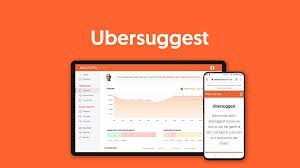
Ubersuggest is one of the most beginner friendly SEO tools available.
Core features:
- Keyword research with search volume
- SEO difficulty scores
- Competitor analysis
- Content ideas
- Basic site audit
Pros:
- Affordable pricing
- Simple interface
- Great for small websites
Cons:
- Data depth is lower than premium tools
Best for:
Budget conscious small businesses and new marketers.
4. Ahrefs

Ahrefs is a powerful all in one SEO platform.
What makes it strong:
- Industry leading backlink analysis
- Accurate keyword data
- Content gap analysis
- Rank tracking
Pros:
- Extremely reliable data
- Excellent competitor research
Cons:
- Higher cost for small businesses
Best for:
Growing businesses serious about SEO dominance.
Internal link opportunity: Ahrefs vs SEMrush comparison
5. SEMrush

SEMrush combines SEO, content marketing, and PPC insights into one platform.
Top features:
- Keyword research and intent analysis
- On page SEO checker
- Competitor traffic insights
- Content optimization tools
Pros:
- Strong all around digital marketing tool
- Excellent keyword intent data
Cons:
- Can feel overwhelming for beginners
Best for:
Small businesses managing SEO and paid marketing together.
6. Rank Math SEO Plugin
Rank Math is a WordPress SEO plugin built for performance and simplicity.
Key features:
- On page SEO optimization
- Schema markup
- XML sitemaps
- SEO scoring per post
Pros:
- Free version is very powerful
- Beginner friendly
Cons:
- Limited usefulness outside WordPress
Best for:
WordPress based small business websites.
7. Screaming Frog SEO Spider
This is a technical SEO auditing tool.
What it does well:
- Finds broken links
- Identifies duplicate content
- Audits metadata and headings
- Analyzes site structure
Pros:
- Very detailed technical insights
- Free version available
Cons:
- Not beginner friendly
Best for:
Small businesses working with developers or SEO consultants.
Quick Comparison Table
| Tool | Best For | Price Range |
|---|---|---|
| Google Search Console | Performance tracking | Free |
| Google Analytics | Traffic insights | Free |
| Ubersuggest | Keyword research | Low |
| Ahrefs | Advanced SEO | High |
| SEMrush | Marketing teams | Medium to High |
| Rank Math | WordPress SEO | Free to Low |
| Screaming Frog | Technical audits | Free to Medium |
How to Choose the Right SEO Tool
Choose tools based on your current stage.
- Beginner: Google Search Console + Ubersuggest + Rank Math
- Growing business: Add Ahrefs or SEMrush
- Technical focus: Include Screaming Frog
Avoid paying for advanced tools before mastering the basics.
Best Practices for Using SEO Tools Effectively
- Focus on buyer intent keywords, not just traffic
- Track rankings monthly, not daily
- Optimize existing content before creating new posts
- Combine data from multiple tools for better decisions
- Use SEO tools to support strategy, not replace it
Highlighted takeaway: Tools amplify good strategy. They do not fix poor content.
Who These SEO Tools Are Best For
Ideal for:
- Small business owners
- Bloggers and niche site builders
- Local service providers
- SaaS startups
- Beginner digital marketers
Not ideal for:
- Businesses expecting instant rankings
- Users unwilling to learn basic SEO concepts
Pricing and Cost Considerations
Small businesses should start with free tools and upgrade only when traffic grows.
A smart monthly setup could look like:
- Free tools for tracking and basics
- One paid tool for keyword and competitor research
This keeps costs low while maximizing ROI.
Final Verdict
The best SEO tools for small business websites are the ones you actually use consistently.
Start with free tools, master keyword research, and focus on creating helpful content that solves real problems. As your website grows, invest in premium tools that match your goals.
SEO success comes from clarity, consistency, and smart tool selection.
Frequently Asked Questions
What is the best free SEO tool for small businesses?
Google Search Console is the best free SEO tool available.
Do small businesses really need paid SEO tools?
Not initially. Paid tools help scale faster but are not required at the start.
Which SEO tool is easiest for beginners?
Ubersuggest and Rank Math are the most beginner friendly.
How long does SEO take to work?
Most small businesses see results within three to six months with consistent effort.
Next Step:
Choose one tool from this list and apply it to your website today. SEO rewards action more than perfection.