

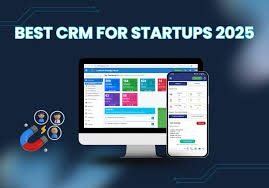
Have you ever felt like your startup is growing, but your customer data is scattered everywhere?
Emails in one place, WhatsApp chats in another, notes in your head, and follow ups getting missed. That feeling is common. I have seen many startups lose good customers simply because they did not have a proper system. This is where the best CRM comes in.
A CRM is like a digital notebook with a brain. It remembers your customers, tracks conversations, and helps you follow up at the right time. In this guide, I will walk you through the best CRM for startups, using simple language, real examples, and honest pros and cons.
What Is a CRM and Why Startups Need One
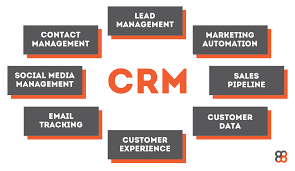
CRM stands for Customer Relationship Management. In simple terms, it is a tool that helps you manage customers from first contact to repeat sales.
Think of a CRM like a smart shop assistant. It knows who walked in, what they asked for, what they bought, and when to call them again. Link to a guide on lead generation strategies
Why a CRM matters for startups
- You stop forgetting leads and follow ups
- Your sales process becomes clear and repeatable
- Your team stays organized as you grow
- You look more professional to customers
Even if you are a solo founder, a CRM saves time and mental energy.
How to Choose the Best CRM for a Startup
Not every CRM is startup friendly. Some are too complex. Others are too expensive. Here is what I recommend focusing on.
Key things to look for
- Easy to use with little training
- Affordable or free at the beginning
- Can grow with your business
- Works well on mobile and desktop
- Has basic automation for follow ups
A good CRM should feel like help, not homework.
1. HubSpot CRM
HubSpot is often the first CRM startups fall in love with.
Why it works for startups
HubSpot offers a powerful free plan. You can track contacts, deals, emails, and tasks without paying anything.
Pros
- Free plan is very generous
- Clean and beginner friendly interface
- Strong email tracking and reminders
- Easy to upgrade later
Cons
- Paid plans get expensive as you grow
- Some advanced features are locked
Best for
Early stage startups that want a free, reliable CRM.
2. Zoho CRM
Zoho CRM is like a toolbox with many compartments.
Why it works for startups
It offers flexibility and deep features at a lower cost than many competitors.
Pros
- Affordable pricing
- Highly customizable
- Good automation features
- Integrates with many tools
Cons
- Interface can feel overwhelming at first
- Setup takes time
Best for
Startups that want customization and plan to scale.
3. Freshsales by Freshworks
Freshsales feels modern and simple.
Why it works for startups
It focuses on sales tracking and communication in one place.
Pros
- Easy to use
- Built in phone and email tools
- AI lead scoring on higher plans
Cons
- Free plan is limited
- Reporting could be better
Best for
Sales driven startups that want simplicity.
4. Pipedrive
Pipedrive is built around visual sales pipelines.
Why it works for startups
You can see your entire sales process at a glance, like cards on a board.
Pros
- Very intuitive pipeline view
- Easy deal tracking
- Strong sales focus
Cons
- No free plan
- Limited marketing features
Best for
Startups focused heavily on sales and deal flow.
5. Monday Sales CRM
Monday Sales CRM is built on the popular Monday platform.
Why it works for startups
It combines CRM with project management style tracking.
Pros
- Very visual and flexible
- Easy team collaboration
- Custom workflows
Cons
- Can feel less like a traditional CRM
- Pricing increases with users
Best for
Startups that like visual planning and teamwork.
6. Bitrix24
Bitrix24 is like a Swiss army knife.
Why it works for startups
It offers CRM, chat, tasks, and file sharing in one platform.
Pros
- Free plan available
- Many built in tools
- Good for remote teams
Cons
- Interface feels crowded
- Learning curve is high
Best for
Startups that want an all in one system.
7. Agile CRM
Agile CRM focuses on affordability.
Why it works for startups
It offers sales, marketing, and support features at low cost.
Pros
- Budget friendly
- Built in email marketing
- Simple automation
Cons
- Interface feels outdated
- Limited advanced features
Best for
Bootstrapped startups on a tight budget.
Quick Comparison Table Summary
If you want free and easy, start with HubSpot.
If you want customization, go with Zoho.
If sales is your main focus, choose Pipedrive or Freshsales.
If budget is tight, look at Agile CRM.
Practical Tips Before You Choose a CRM
- Start simple. You can always upgrade later
- Test with real leads before committing
- Train your team early
- Keep your data clean and updated
A CRM only works if you actually use it.
Common Mistakes Startups Make With CRMs
- Choosing a CRM that is too complex
- Not setting clear sales stages
- Ignoring follow up reminders
- Switching tools too often
The best CRM is the one your team enjoys using.
Final Thoughts
Choosing the best CRM for startups is not about picking the most famous tool. It is about choosing what fits your current stage and future goals.
Start small. Stay consistent. Let your CRM grow with you.
Take action today. Pick one CRM and test it this week. Growth loves action.